The Family Coat of Arms
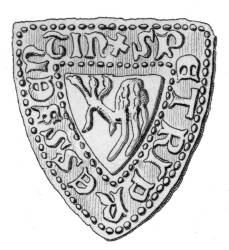
It is obvious that the v. Pressentin coat of arms embodies the word, "porstin" or "parstin" - the word for claw in the language of the Wends - the claw is that of a Griffin, a mythical beast which featured in the folklore of the Wends. The earliest portrayals we have of the family's coat of arms are on documents sealed by Nicolai and Petri v. Pressentin in 1348.
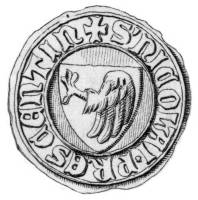
Nicolai v. Pressentin 1348
Petri v. Pressentin 1348
The various portrayals of the claw and the different spelling of names on the seals are of historic interest but the important feature is the claw itself, for it is this which identifies the owner of the seal. Interesting to note is the cross at the top of the seal. In the Middle Ages when all but monks were illiterate a person gave his "signature" by making the sign of the cross. Important contracts, mostly relating to land transfers, required a written "signature". Such transactions involved really only the nobility, who too were for the most illiterate, and therefore they used their Seal which, with its cross, acted as a signature.
The 17th and 18th centuries saw the growth of commerce. For the nobility this brought with it a rise in the importance of their seal which they now used to "sign" mercantile agreements and the ancient rules of heraldry were revived and laid down. The 19th century witnessed the industrial revolution and the use of written documents spread into the life of the whole population and the rules of heraldry firmly established. It is interesting to see that when an illiterate person was required to sign a document he marked it with a Christian cross. Somehow later this became to be understood as an "x".
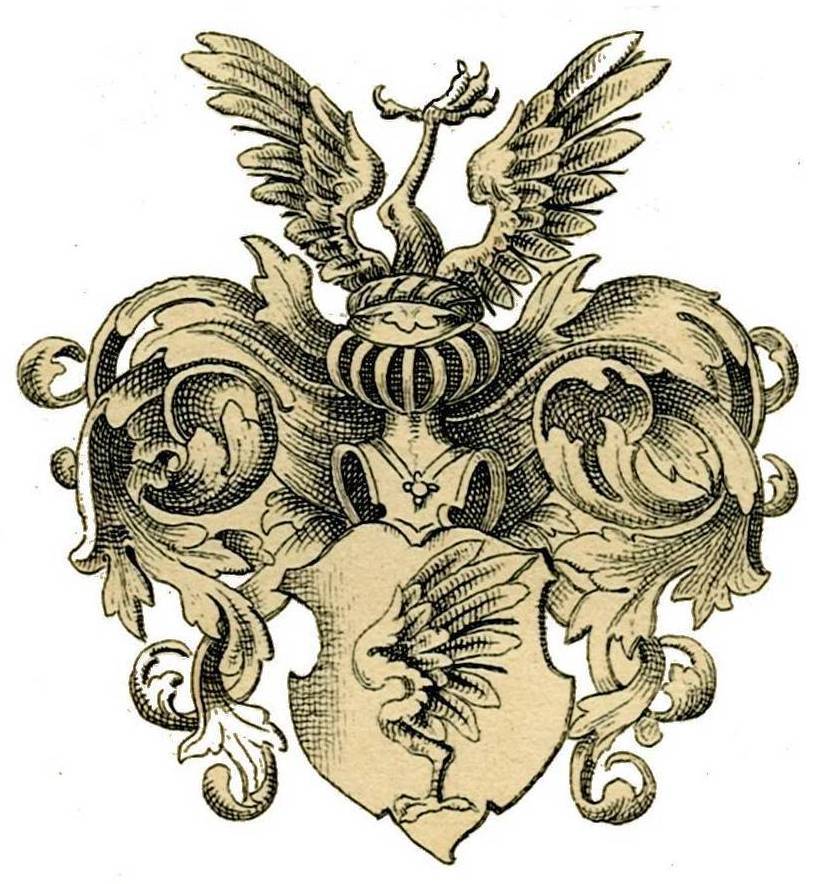
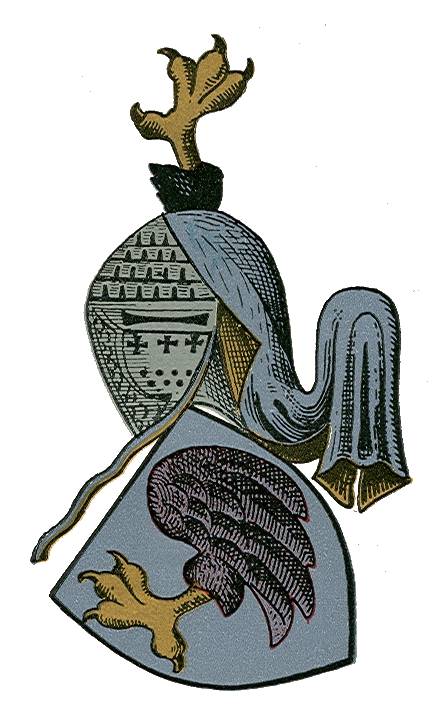
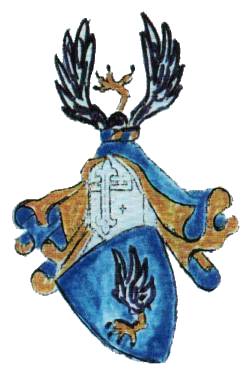
1614
1890
1975
In the 900 year history of the family the spelling of the family name has changed reflecting the development of the written language. The changes in the portrayal of the claw in the coat of arms reflect changes in drawing techniques and artistic taste. What has not changed over the 900 year history of the family is the central feature of its coat of arms - the claw! For it is this which is the embodiment not just of the name but the family itself.